Google’s features and clicks, a new study on the zero clicks trend
A new study on Google and zero clicks in SERP: the impact of ADS and featured snippets on the strategies to intercept traffic
The study on the impact of the features in SERP
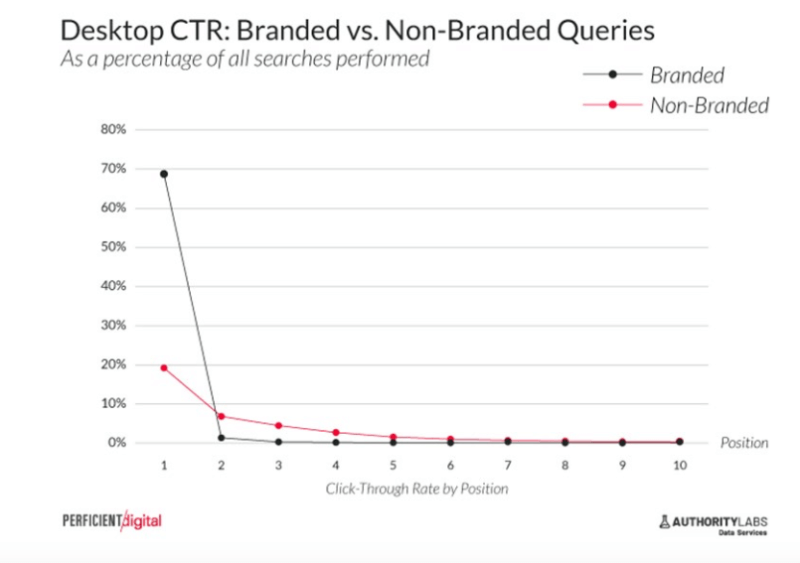
Reporting these data is an article by Search Engine Land (from which the following images are taken), which also summarizes the main results of this study: SERPs without clicks are a much less important factor when queries (commercial, most of the times) activate the appearance of ads, there are significant differences in the CTR of position 1 for branded and unmarked queries, and lastly featured snippets affect relatively the CTR in the aggregate.
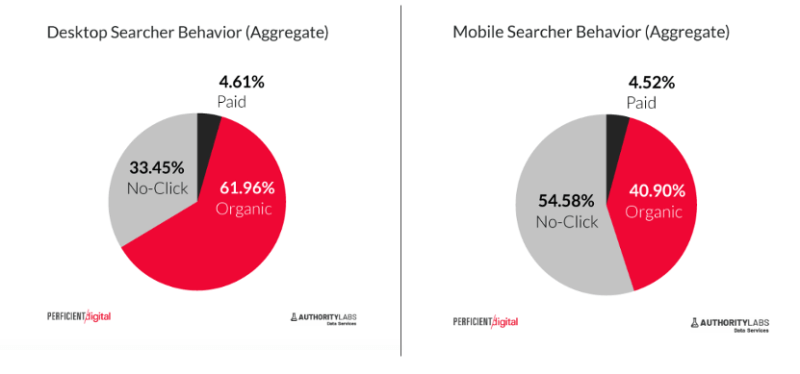
The numbers of no-clicks searches
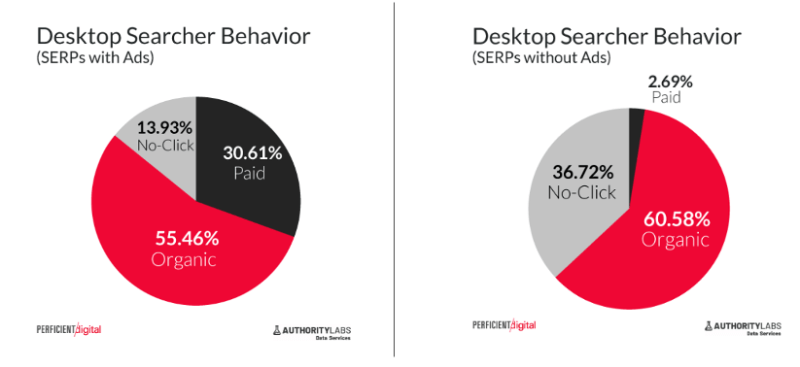
ADS earn clicks from no-clicks results
CTR in queries branded and not branded, the differences
Featured snippets do not impact on clicks
Another interesting analysis that comes from the study concerns featured snippets that, a little by surprise, are called “neutral on the click“: Traditionally, these fragments are thought to help generate searches without clickings since they give people enough information without clicking on a site.
But Perficient Digital found that, although not significantly, the “CTR of queries with featured snippets is slightly higher than where they are absent”. In some cases, the snippet answered the question without there being a click to a site, but in others pushed “the CTR substantially higher than the sites from which the snippet was taken”. Therefore, overall, the study concludes that featured snippets have a negligible impact on CTR.
How to apply these info inside our SEO strategy
There are two main elements this study gives us that we can use in our strategies: the first aspect is the value of SERP features, such as carousels, snippets and local packs, to intercept the interests and clicks of users. This confirms the importance of optimizing the site and contents to intercept these features and exploit their advantages.
As SEO-oriented advice, then, the analysis reaffirms that working on long tails is a strategy that can lead to success, because long-tailed queries “still represent 70 percent or more of all searches and Google is not able to provide answers without clicking on all these queries”.






 Verified reviews on Trustpilot